Program Student Learning Outcomes (PSLOs)
At the completion of the Liberal Arts Program, the student will be able to:
- Enrich and deepen self-knowledge by exploring different academic experiences.
- Articulate and understand their experiences through effective writing, reading, speaking and various modes of artistic expression.
- Demonstrate fundamental knowledge and basic skills appropriate to their personal and professional goals in their chosen area of specialization.
PSLO Assessment Report Summary
What we looked at:
ASSESSMENT ACTIVITY: For the 2016-2017SY, the students in two selected sections of the SS/PY 101: Psychology courses were assessed on their ability to comprehend and summarize the reading information from a pre-selected article. Because we had looked at this same ability with students in one of our English courses during the year 2015-2016, we decided to assess students in one of the LA major required non-English classes to see if what we found in our English classes is similar or different in a non-English course. Students had to demonstrate the ability to identify and extract specific information from the reading such as facts, definitions, antonyms and synonyms as well as main ideas and contradictory information based on their readings. These assessment activities covered PSLO 2 of the Liberal Arts program with a specific focus on students’ reading abilities. During the Fall 2016 semester, the assessment was done as a summative assessment at the end of the semester. Then the results were analyzed and comparisons were made to the findings of the previous year’s English class sample.
TARGET: 100% of all students who took the SS/PY 101 classes during the Fall 2016 semester were assessed. Since this class is both a required Liberal Arts class as well as a general education class, it allowed us to look at all the students in general as well as how students from different majors were doing in comparison to Liberal Arts students.
Listed below are the results of the assessment of 47students who were assessed in our Psychology courses during the 2016-2017 School Year.
What we found:
For the summative assessment, 47 students were assessed in two sections of SS/PY 101. The assessment tool consisted of a pre-selected reading article as well as a quiz about the reading. The quiz consisted of six specific questions that assessed students’ abilities of distinguishing, identifying and showing understanding of the following information:
- Main Idea; 2. Purpose; 3. Cause/Effect; 4. Contradictory Information; 5. FACTs; and 6. Theme.
Here is what we found:

Fig. 1: Overall Performance for Section 1 of SS/PY 101
Overall outcomes for section 1:
In section 1, only 2 out of 23 students (9% of all of the students in this section) was able to meet our goal of scoring 70% or above on this assessment. 70% basically meant that a student answered correctly 5 out of the 6 questions. Seven students or 30% of the students scored 67% on this assessment which meant that they answered correctly two/thirds of the questions or 4 out of the 6 questions. So about 39% were within reach of our 70% goal expectation. More than half of the class (61%) performed at either half or less than half of the level expected.
Class composition:The class composition for section 1 consisted of 13 HCOP/Nursing students (54% of the class), 6 students Liberal Arts (25%) and 4 students other (21% -2 PreTP, 1 not stated and 1 CIS).
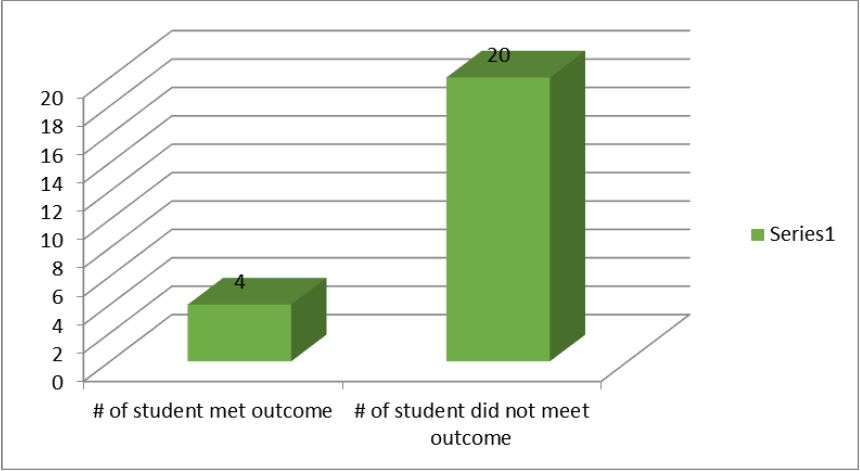
Fig. 2: Overall performance for section 2 of SS/PY 101
Overall outcomes for section 2:
Figure 2 shows that in section 2, only 4 out of 24 students (17% of all of the students in this section) were able to meet our goal of scoring 70% or above on this assessment. 70% basically meant that a student answered correctly 5 out of the 6 questions. Five students (21% of the students) scored 67% on this assessment which meant that they answered correctly two/thirds of the questions or 4 out of the 6 questions. So about 38% were within reach of our 70% goal expectation. More than half of the class (62%) performed at either half or less than half of the level expected.
Class composition:The class composition for section 2 consisted of 12 LA students (50% of the class), 8 Pre TP students (33%) and 4 students HCOP/Nursing (12%).
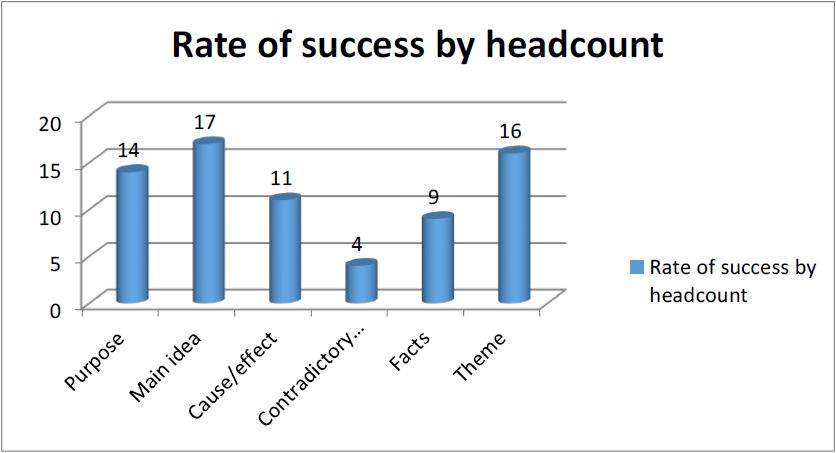
Fig. 1.2 : Rate of success by headcount for each question/area for section 1 of SS/PY 101
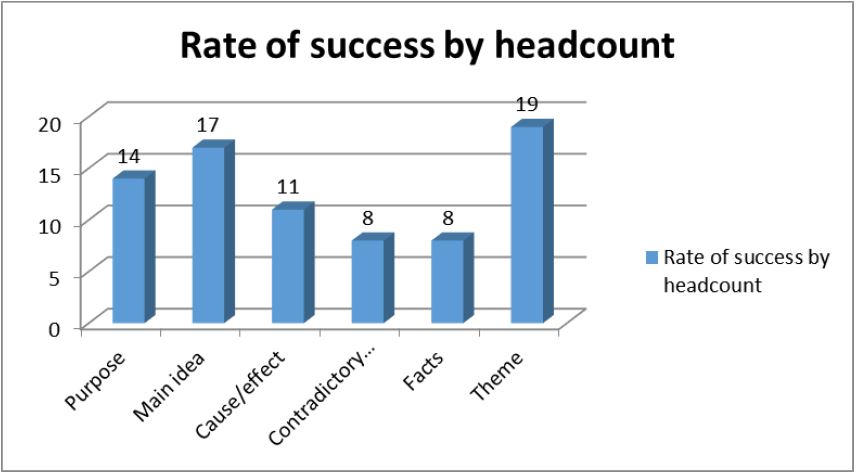
Fig. 2.2: Rate of success by headcount for each question/area for section 2 of SS/PY 101
Trends and Observations:
- Regardless of course (whether it is an English course or non-English course), our students are reading at a very low level and are not able to effectively comprehend nor extract information from their reading.
- In both sections assessed, an equal number of LA students scored above and below the median.
- In section one, an equal number of HCOP/Nursing students scored above and below the median compared with 3 Pre-TP students who scored above 50% and 5 students who scored below the median.
- Three areas of strength: Purpose, Main idea and Theme. Note that in the 2015-2016 assessment, Theme was an area of weakness while facts was an area of strength. In general, students got the gist of the reading selection and could identify the main points being presented.
- Three areas of weakness: cause/effect; contradictory information and facts. This shows a weakness in identifying relationships and analyzing of information. Students also need to work on differentiating between opinion and fact.
- Identifying “contradictory information” from the reading was the weakest area in both this year’s assessment and in the 2015-2016 assessment. There is a possibility that the issue here could be more because of the terminology used (students not clearly understanding the term ‘contradictory’) rather than their actual comprehension of the question.
What we are planning to work on:
For the 2017-2018 SY, the division will be assessing the Transfer-ability of our students in the Liberal Arts program. These assessment activities will help us to assess PSLO # 3 which is: Demonstrate fundamental knowledge and basic skills appropriate to their personal and professional goals in their chosen area of specialization.
- 100% of all of our current Liberal Arts students will be assessed.
- The assessment will be three-fold: one-all of the instructors will analyze their advisee GPAs and identify how many students are able to transfer based only on their GPA. We will be looking to see how many students have a GPA above and below 3.0, which is a typically acceptable level for transfers. For new in-coming freshmen, their GPAs will be looked at by the end of the year to identify if they earned GPA levels that will allow them to transfer as well.
- The second part will be the administration of a survey for all LA students to identify factors that affect a student’s ability to transfer, their future goals, and their understanding of what it takes to transfer successfully to another college. Survey questions have already be drafted by the LA faculty and a tentative timeline has been established.
- The third and final part will be to use this data collected from the survey and hold workshops both at the end of the Fall semester as well as the beginning of the Spring semester to help address the issues identified, build skill/knowledge and to also introduce students to scholarships, tips and advice to actually help them transfer. Potential presenters have been identified and some areas to be addressed have been suggested. Other areas to be addressed will be identified based on the survey data.
- Advisors will work specifically with our potential graduates in assisting them to attempt to complete all tasks needed to transfer when graduating; the workshops will also be a means for the advisors to meet regularly with the new cohort of students to ensure that their courses selected and taken follow a specific transfer pathway based on their goals. Instructors will help the LA majors identify and develop specific pathways for transfer as well as help them graduate within the 100%-150% timeframe.
Recommendations for students:
- Read regularly: To help aid in coherence, comprehension and to expand background knowledge on content, students need to make reading a regular part of their everyday practice. Reading will help them more in their English courses and in any other courses in college since this will help to expand vocabulary and increase understanding of usage and will build knowledge of different subjects. To be successful in the Liberal Arts program, students need to read often and read regularly. Students should make it a habit to read ahead in their textbooks rather than relying on their instructors to provide all the information they need.
- Writing and Reflection: To become better at writing, students do need to practice writing. Putting thoughts into writing, reading what they write and reflecting on their writing is good practice. Writing about their reading can also help to aid understanding of unfamiliar subjects. For students to be proficient in writing, they must write.
- Students need to already start thinking and learning about their future careers so that when they enter into the Liberal Arts program, they will be informed about what types of skills and knowledge they will need for their future careers. Being aware of this will help students better plan their education and their career paths and will allow them to make good decisions when selecting classes and electives in the major.